


Center for Coastal & Marine Studies
About CCMS
Center for Coastal & Marine Studies - CCMS
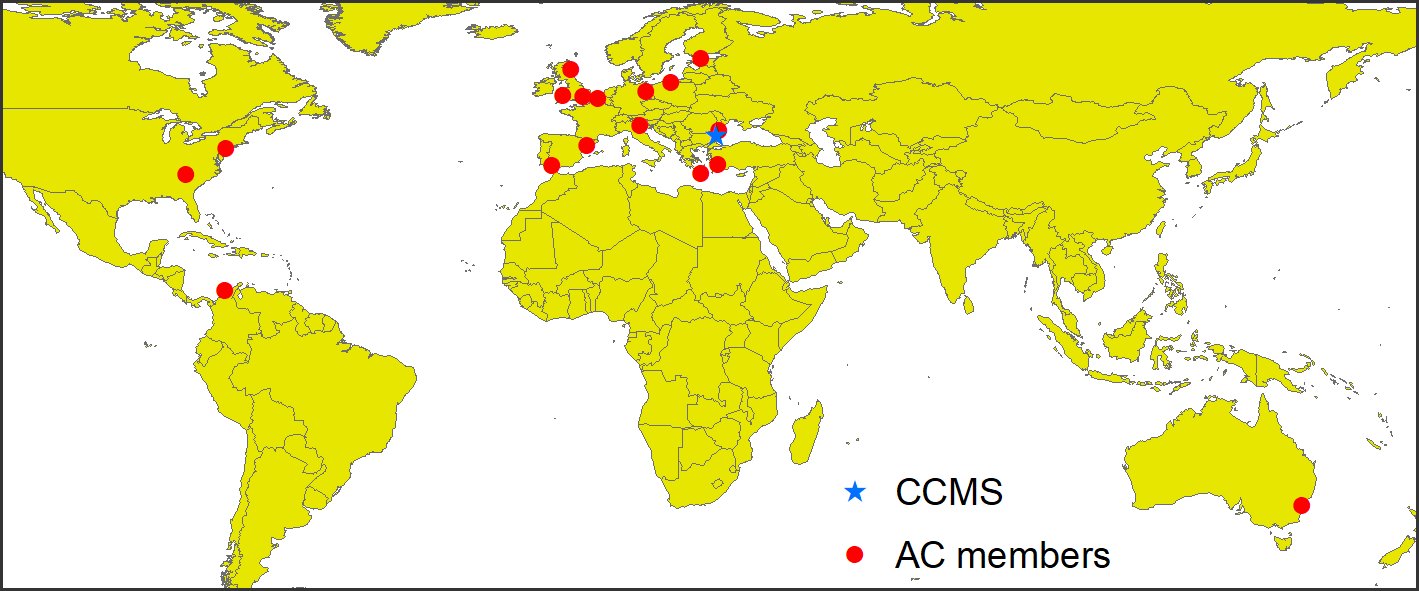
Center for Coastal and Marine Studies – CCMS is a research foundation, non-governmental and non-profit organization established in March 2018 in Varna, Bulgaria on the Black Sea coast. The CCMS has the fundamental goal of developing and promoting science, research, knowledge transfer and innovation technologies in the Black Sea and the World Ocean by bringing together science, environment, expertise, stakeholders and policy making. The CCMS is directly advised by Advisory Committee, which currently involves seventeen distinguished members from other institutes, universities and organizations all around the World.
Advisory Committee
{jcomments off}
Advisory Committee
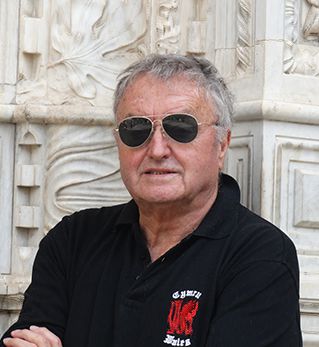 Prof. Allan Williams is Emeritus Professor at Swansea Metropolitan University, Swansea, Wales, UK. He has published >360 papers and reports, specializing in coastal processes and coastal management. He has worked mainly in Europe, but also Africa, China, India, the USA and Latin America. He was an Erskine Fellow at the University of Canterbury, Christchurch, New Zealand; Scientific researcher at the International Hurricane Research Centre, Miami, USA and a holder of a Winston Churchill Fellowship award. Consultancies have included work carried out for: Wardell-Armstrong Eng; Hyder Engineering; Robert West and partners; Asia Development Bank; International Coral Reef Organisation Ltd.; UNDP; EUCC; PAPRAC, Split, Croatia.
 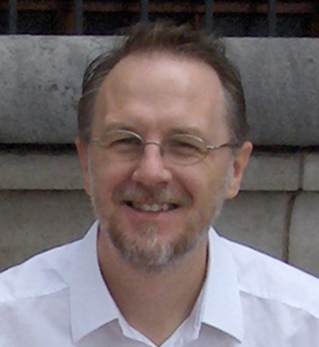 Dr. Andreas Baas achieved his BSc in Physical Geography and Soil Science and his MSc in Process Geomorphology at the University of Amsterdam (UvA), including work at the Desert Research Institute in Reno, Nevada. He then moved to the University of Southern California (USC) where he earned his PhD on investigating the formation and behavior of aeolian streamers, supported by the National Science Foundation (NSF) and a Tyler Environmental Fellowship.
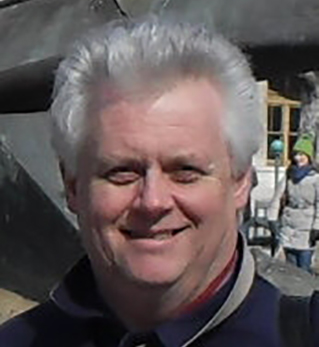 Dr. David R. Green is the Director of the Aberdeen Institute for Coastal Science and Management (AICSM), Director of the M.Sc. Degree Programme in Geographical Information Systems, and Director of the UAV Centre for Environmental Monitoring and Mapping (UCEMM) at the Department of Geography and Environment, University of Aberdeen, Scotland, United Kingdom.
He is a specialist in the environmental applications of geospatial technologies with interests in geographical information systems, remote sensing (terrestrial and bathymetric), cartography/digital mapping, Internet and mobile GIS, coastal and marine resource management, hydrography, marine spatial planning (MSP), and UAV technology.
He has published a number of books on Coastal Zone Management and Geographical Information Systems (GIS). David is also Editor in Chief of the Journal of Coastal Conservation, Planning and Management (Springer).
AICSM: www.abdn.ac.uk/aicsm
UCEMM: www.abdn.ac.uk/research/ucemm
MSc in GIS: www.abdn.ac.uk/gis
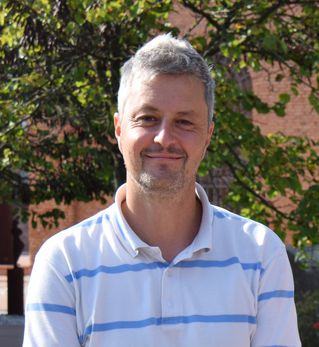 Emiliano Ramieri (BSc/Master Degree in Environmental Sciences) is a senior project manager at the Institute of Marine Sciences of the Italian National Research Council. He has more than 20 years’ experience in coastal and marine policies, planning and studies. His research mainly focuses on science to policy and science to practices projects and activities at the national, Adriatic, Mediterranean and EU level, specifically dealing with Maritime Spatial Planning (MSP), Integrated Coastal Zone Management (ICZM), Land-Sea Interactions (LSI), sustainable blue economy and climate change adaptation (in particular in coastal and marine areas).
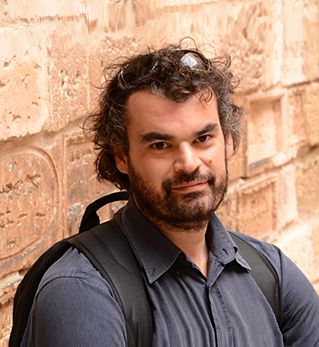 Dr. George Alexandrakis is currently a postdoctoral researcher at the Institute of Applied and Computational Mathematics at the Foundation of Research and Technology – Hellas. His current research interests include coastal processes, risk and vulnerability analysis, and coastal zone management and spatial planning, coastal geology and sedimentology, Climatic change: Sea and land interaction, sustainability, environmental Multi Hazard Risk, Spatial environmental and economic analysis and Climatic change impact of cultural heritage sites.
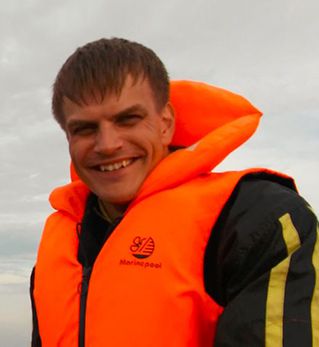 Dr. Hannes Tõnisson is a coastal/marine scientist with ca 18 years’ experience from Institute of Ecology, Tallinn University with a special interest in coastal processes (erosion and accumulation, shoreline changes), human impact versus climate change effects to the coastal ecosystems. His most recent studies are related to the ancient coastal formations, changes in storminess during last couple of millennia and also marine bottom sediments and application of geophysical methods in the coastal zone research.
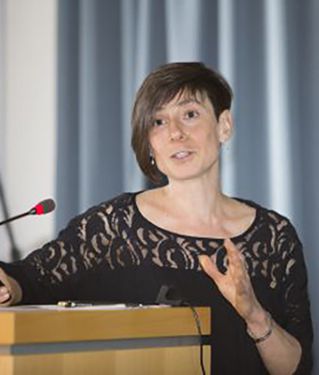 Kathy Belpaeme is head of the coastal department at the Province of West Flanders. She is responsible for the regional co-operation at the coast, in which a multidisciplinary and integrated approach is key. Before joining the province, Kathy was responsible for the Co-ordination Centre for Integrated Coastal Zone Management for 12 years. This Centre was a collaboration between federal, Flemish and provincial authorities. Its tasks been broadly take over by the province in 2014.
Co-operation between sectors and the different governmental levels continue to be central in her work. In addition, spatial planning is an important topic, and in particular the link and interaction between land and sea is essential at the coast.
Kathy was appointed by the federal government to act as the Integrated Coastal Management (ICM) & Land-sea-interaction (LSI) expert, and most recently she was involved as LSI expert in the process of developing a vision for the Belgian part of the North Sea in 2050.
Key themes:
- Integrated Coastal Management (ICM)
- Spatial planning (on land as well as at sea)
- Stakeholder participation
- Long term planning and vision formation at the coast
- Administrative cooperation (with municipalities, Flanders, federal level) regarding ICM
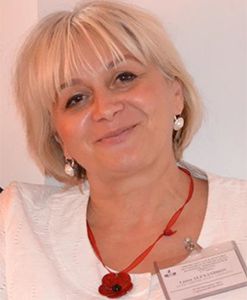 PhD Mihaela Laurenta Alexandrov, Senior Researcher at National Institute for Marine Research and Development “Grigore Antipa”, Constanta, Romania, graduated in Fisheries and Aquaculture technologies and has PhD in Industrial Engineering at University “Lower Danube”, Galati.
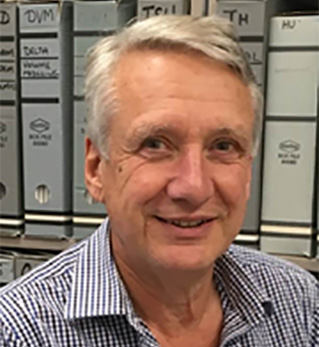 Prof. Colin Woodroffe is Professor in the School of Earth and Environmental Sciences at the University of Wollongong. He has a PhD and ScD from the University of Cambridge. Colin has studied the stratigraphy and development of coasts in Australia and New Zealand, as well as on islands in the West Indies, and Indian and Pacific Oceans. He has written a comprehensive book on Coasts, form, process and evolution, co-authored a book on The Coast of Australia, and is also co-author of a book Quaternary Sea-Level Changes: a global perspective. Colin was a lead author on the coastal chapter in the 2007 Intergovernmental Panel on Climate Change (IPCC) Fourth Assessment report. He teaches coastal geomorphology and the application of geospatial techniques to coastal environments.
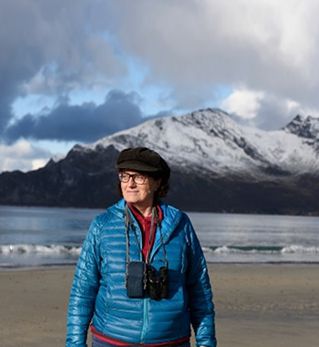 Prof. Françoise Breton is Emeritus Professor at the Universitat Autònoma de Barcelona, she is involved in research on coastal and sea socio-environmental systems and resource management. Anthropologist, geographer and Environmental Science expert, work focused on integrated management, co-management of ecosystems and habitats, and governance. Formed in Paris X University, later at the Boston University (1978-1980), and at the UAB, she created and directed the Centre for Sea study in Sitges, Barcelona Diputación (1981-90), working on fisheries, fishermen knowledge, and fishery anthropology in collaboration with A. Geistdorffer and the Museum of Natural History of Paris.
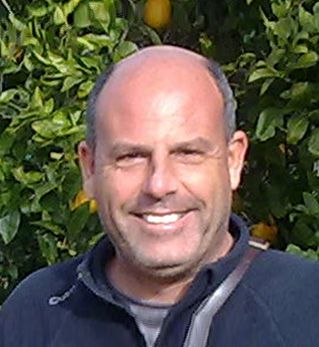 Prof. Giorgio Anfuso is coastal researcher and professor at the Faculty of Marine and Environmental Sciences at Cadiz University (Spain) since 1999. From about 25 years is working on coastal processes at different time scales, from hours (by sediment transport and disturbance depth campaigns), days-months (by field surveys and monitoring programs) to decadal coastal evolution by means of aerial photos and satellite images analysis.
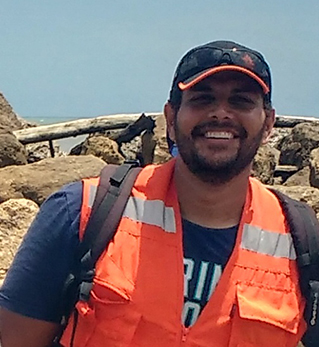 Prof. Nelson Guillermo Rangel-Buitrago Bsc. geology, Msc Earth Sciences and Ph.D. in Sea Sciences. Coastal/marine scientist with 15 years` experience with a special interest in coastal processes, sand beaches/dunes, coastal erosion and shoreline changes, coastal hazards, marine pollution and most recently in Maritime Spatial Planning and sustainable development. He holds a Ph.D. in Sea Sciences in 2013 with thesis: “Storms impacts on littoral systems of Cadiz province, Spain”. He is currently full Professor of Geology at the University of Atlantico, Barranquilla, Colombia. He has been teaching at the university level since 2003. In addition to his teaching experience, he has conducted many research projects on geology, geomorphology, and oceanography and has served as an expert consultant for national and international organisations, mostly in Spain and Colombia. Dr. Rangel has published more than 40 articles in international journals and has edited or authored 25 books.
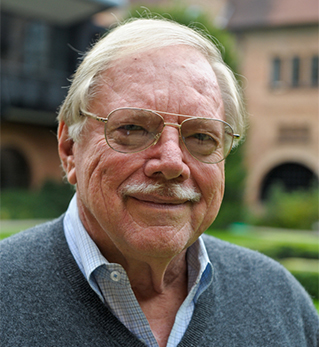 Prof. Dr. Norbert P. Psuty is Professor Emeritus at Rutgers University – The State University of New Jersey. He is a coastal geomorphologist whose research encompasses the dynamics of the coastal zone, incorporating process-response studies of beaches, coastal dune processes and morphology, sediment budget studies, barrier island dynamics, estuarine sedimentation, and sea-level rise. His research has both a basic science component as well as an applied side.
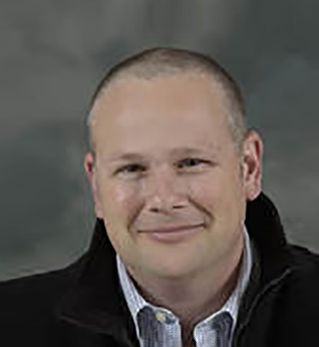 Prof. Robert S. Young is the Director of the Program for the Study of Developed Shorelines, a joint Duke University/Western Carolina University venture. He is also a Professor of Coastal Geology at Western Carolina University and a licensed professional geologist in three states (FL, NC, SC). The Program for the Study of Developed Shorelines (PSDS) is a research and policy outreach center serving the global coastal community. The primary mission of PSDS is to conduct scientific research into coastal processes and to translate that science into management and policy recommendations through a variety of professional and public outreach mechanisms.
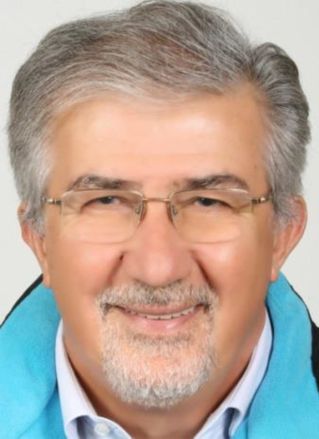 Prof. Dr. Erdal Özhan spent most of his academic career (1975-2004) at the Middle East Technical University (METU), Ankara, Turkey, initially as an academic in the field of coastal engineering. Following a series of undertakings for Dalyan Beach (1981-88), he shifted gradually to coastal management in late 1980s to become one of the early experts in this field. At METU, he set up Coastal and Harbour Engineering Research Centre (KLARE) (nowadays Ocean Engineering Research Centre) and served as its Director for many years. In 1985, he led the creation of METU Subaqua Society as its founding Academic Advisor and initiated academic activities (new courses and research) in the field of coastal management in 1989. During 1986-88, he was in charge of the first campaign in Turkey for monitoring the nesting of marine turtles (caretta caretta) along Dalyan Beach with members of the METU Subaqua Society. He set up the Turkish National Committee on Coastal Zone Management (January 1993) and chaired it until 2007. In 1990, he started creating the MEDCOAST Network for providing scientific support to integrated coastal management in the Mediterranean and the Black Sea countries. MEDCOAST received a high level of international recognition and played a substantial role in enhancing coastal and marine research together with ICM practices.
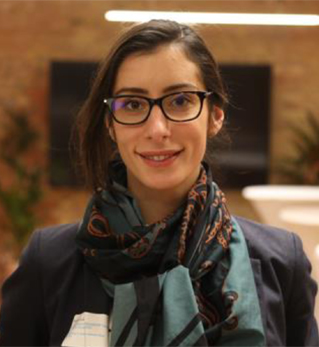 Ivana Lukic is a Marine Policy and Planning Senior Consultant currently working at s.Pro - sustainable projects GmbH/ SUBMARINER Network for Blue Growth EEIG in Berlin, Germany. Ms. Lukic has over 5 years of work experience leading international projects and studies related to the role of MSP in fostering blue growth, blue growth indicators, vision and strategy development in MSP, and cross-sectoral conflicts and synergies with offshore wind. In the MULTI-FRAME project, Ms. Lukic is currently coordinating the multi-national team working on the ocean multi-use scenario development in six project countries (Norway, Sweden, USA, Mozambique, France, Brazil) and is leading the development of the Multi-Use Commercialisation Roadmap as part of the UNITED demonstration project.
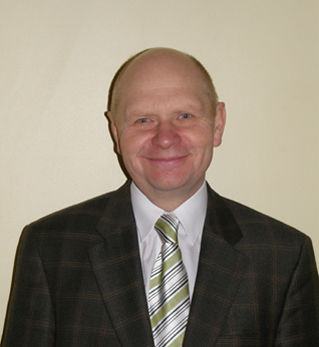 Professor doctor hab. Jacek Zaucha (PhD), co-founder of the Institute of Development, professor of the University of Gdańsk, Senator of the University of Gdańsk, member of the Committee for Spatial Economy and Regional Planning of Polish Academy of Sciences, member of the Pomeranian Investment Council for Repayable financial instruments and the Pomeranian Territorial Forum under the Marshal of the Pomorskie Region. Former chairman of the Polish section of Alumni Schools Committees at Princeton University, holder of a scholarship from Princeton and Oxford Universities. Former Chairman of the Committee for Spatial Development and Planning in the Baltic Sea Region.
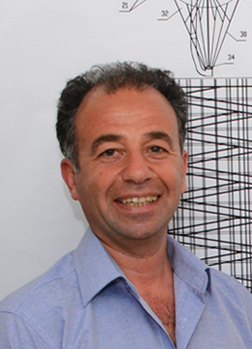 Arman Sarkisyan has a MSc of Marine Ecology from Naval Academy in Varna, Bulgaria. After internship in "Inspectorate for Environmental Protection", he started his own aquaculture reef project in parallel with his professional career as MARPOL Inspector in the Executive Agency Maritime Administration. Since 2009 Arman is founder, manager and technology innovator of the project "Sea harmony" (https://sea-harmony.com/) focused on the revival of marine ecosystems through business aquaculture technology. He has 2 Patents and 2-3 have been worked on. In 2015 he developed the EU Cross Border Cooperation Project Research and Restoration of the Essential Filters of the Sea /REEFS/, involving partners from Bulgaria (Bulgarian Biodiversity Foundation), Ukraine (Odessa Branch of the Institute for Biology of the Southern Seas), Romania (Mare Nostrum NGO), Georgia (Ilia State University) and Turkey (Karadeniz Technical University). In the EC Horizon 2020 Project "Ocean Reef Tower Oases: Feeding the World, Restoring the Oceans" he worked with the Institute of Hydro- and Aerodynamics to test his innovative reef models in the virtual max storm environment. Currently he develops the ORTO TM conception, and Pisa Reef TM technology in cooperation with BR technology - Sofia engineering company.
• Prize diploma "Best Project for 2007-2013" for cooperation in the Black Sea region under the project "REEFS", Ministry of Regional Development and Public Works of Bulgaria, September 2015
• First prize – "Green Innovations for Sustainable Business", Norway grants, Innovation Norway, CEED Bulgaria, Sofia, Bulgaria, April 2016
• First prize at the "Forum Youth Entrepreneurship – StartUp 2016 – Go to Market", Varna, May 2016
• National Finalist "Climate Launch Pad" Winner for Bulgaria, CleanTech Bulgaria, Sofia, September 2017
• First prize, Theme award: "Sustainable food production systems", link Climate Launch Pad, Limassol (105 International finalists out of 964 projects, Climate KIC, the EU's biggest main climate innovation initiative), Cyprus, October 2017
• Blue Invest 2019. One of the 20 best Star Up Companies in the Blue sector in EU, Valletta, Malta, January 2019
• Solar Impulse Foundation - ORTO and Sea Harmony is a member in the 1000 solutions for sustainable development.

Our Mission
The CCMS will play an active role to achieve the following aims:
- Carry out scientific, research, publicity, educational, expert, project and consultancy activities in the field of coastal zone and marine space of the Black Sea Basin.
- Contribute to exploration and protection of the Bulgarian Black Sea coast, marine space of the Black Sea, living and non-living resources.
- Work to protect geodiversity and biodiversity of the Black Sea Basin and World Ocean.
- Work to study and protect Black Sea Basin natural and historical heritage.
- Promote sustainable and Integrated Coastal Zone Management (ICZM) and Marine Spatial Planning (MSP) of the Black Sea Basin.
- Conduct research and assessment of natural and human-induced risks in the coastal and marine zones, such as coastal erosion, landslides, collapses, sea level rise, flooding, technogenoius impacts, environmental risks and other human-induced activities to rise the public awareness.
- Carry out activities for conservation and restoration of the environment.
- Explore trends of marine and coastal tourism and their impact on sustainable coastal zone development and economy of the Black Sea and the World Ocean.
- Conduct exchange, partnership and training between institutions, universities, scientific organizations, non-governmental organizations, establish international cooperation.
Subcategories
- Our activities
-
Our Team
WHO WE ARE AND WHAT WE DO
-
Advisory Committee
Our research program and projects require close collaboration with coastal and marine scientific and research community and the support of different institutions, external experts, consultants, etc. The Foundation is directly advised by an Advisory Committee (AC), which is part of the governance structure of CCMS. The AC members are distinguished, world-classb scientists, researchers and experts from other institutions having significant experience in both coastal/marine science and management. The membership in the Advisory Committee of CCMS is honourable, without management functions and featuring collaboration and partnership activities with particular contributions to the CCMS, such as research projects, publications, expert advises, outreach activities, etc.
- Our Documents